My name is Brad and I didn't always talk about religion.
I grew up in a small Fundamentalist church in Rhode Island – a unique place to grow up and learn about Christianity. I always felt the tension between the Conservative nature of the church and the social implications of the teachings of Jesus, but it took years for me to be able to clearly identify and articulate these inconsistencies.
I spent 6 years after high school playing music around the country in several different bands as a guitarist and vocalist. I thought I was going to be a rockstar – but that never really panned out.
After coming home from touring, I studied audio engineering and bass performance at Berklee College of Music. I ran a small recording studio in Narragansett, RI from 2014 – 2019 and was fortunate enough to work with several talented artists. My work with Gracelyn Rennick won the 2016 Josie Awards for Best Pop Song, and I was nominated for Music Producer of the Year in 2017. All this time, I was also the music director at a small church in Southern Rhode Island. But I knew running a studio was not a long term option for me, so I began shifting in education.
I began to focus on history and philosophy as I started learning more about the history of theology. I began to see the the cognitive dissonance I had in the Church was not always present. This disconnect between spirituality and social obligation was a new phenomenon that was seemingly perfected in the Conservative White American Evangelical Church. I graduated with honors from Arizona State University with a BA in Liberal Arts, with a focus in history and philosophy.
Christianity and Social Intervention
I began seminary in the winter of 2022 with a focus on the history of the Social Gospel Movement in American from the late-19th through the mid-20th century. I began to see the Church working the way I thought it should work – meeting the community’s immediate, physical needs, in addition to spiritual guidance. However, there was something not quite right about the Social Gospel in my eyes.
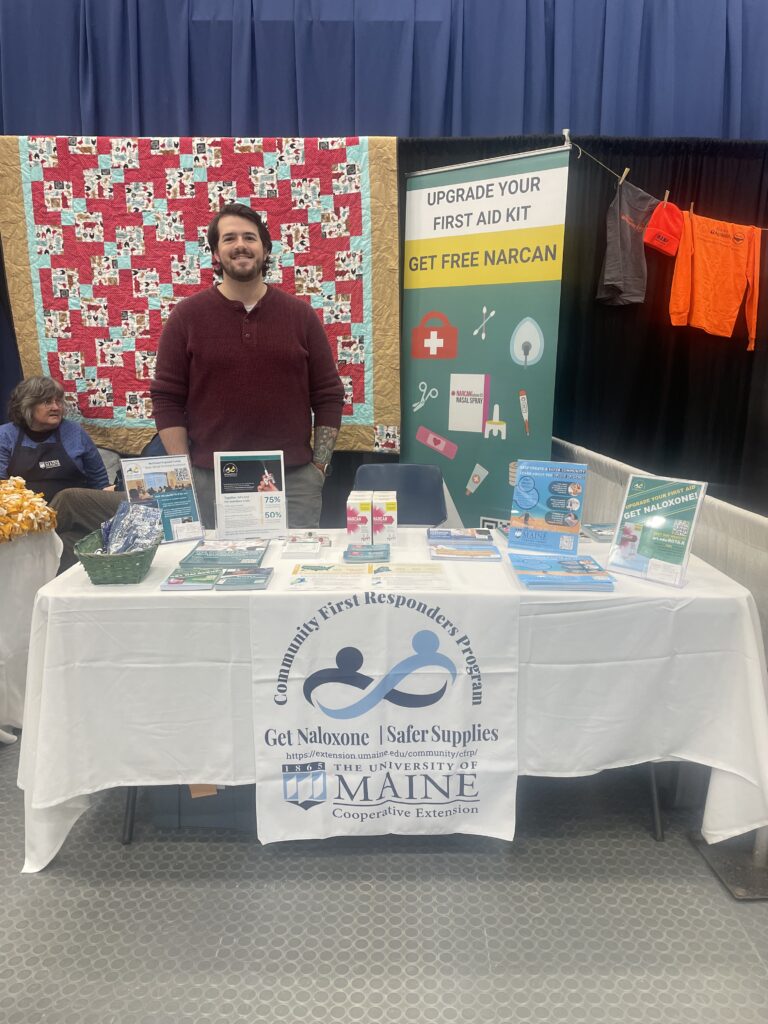
As I was working through my coursework, I began working as a research assistant at the University of Rhode Island. Our grant research project was to expand opioid overdose prevention strategies that were proven to work in Rhode Island through rural New England. Learning more about the harm reduction model of public health led to me to question why the Church hasn’t been more proactive to help those who use drugs.
My first essay exploring how the Church could incorporate harm reduction through a sound theological framework was published in the winter of 2024. Harm Reduction as an Exercise of Amipotence was published as part of a collection of essays supporting, critiquing, expanding, and practicing Dr. Oord’s idea of Amipotence. This essay pushed me to find new ways to show how harm reduction can be incorporated into Christian practice.
Since then, I have been working towards building faith-based harm reduction education focused on helping show churches how to add harm reduction into their existing recovery models. Anointed Ashes was started in 2025 to help educate Christian clergy and laypeople about substance use, harm reduction, and how the Church can provide sanctuary for those in the margins.