Description
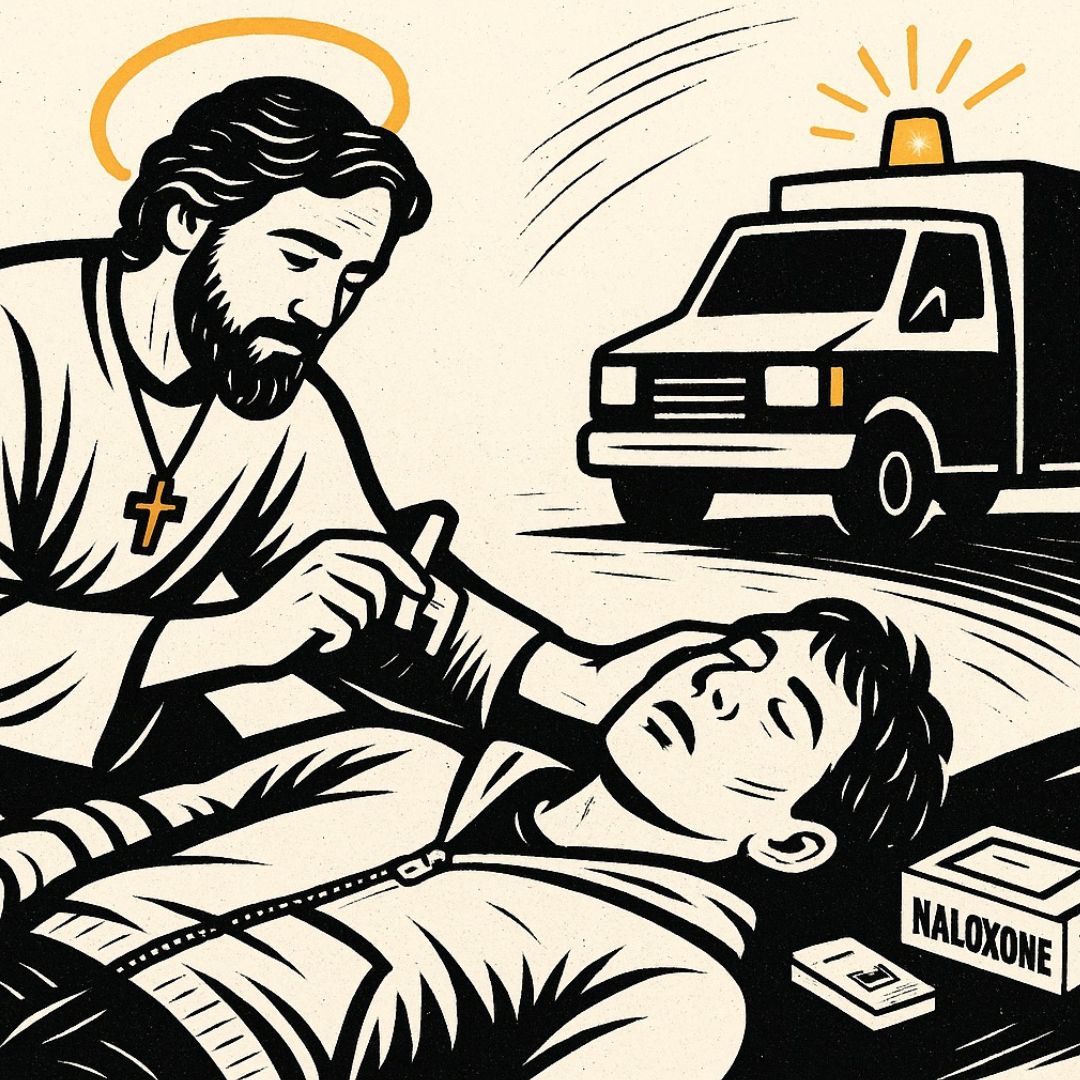
This continuing education course equips ministers, chaplains, and faith leaders to respond to substance use, trauma, and spiritual suffering with compassion, wisdom, and practical skill. “Ministers and Harm Reduction” introduces participants to harm reduction as both a public health framework and a deeply pastoral practice rooted in dignity, accompaniment, and mercy. Rather than approaching addiction, relapse, or behavioral health struggles through shame, punishment, or exclusion, this course invites ministers to cultivate ministries that reduce harm, foster trust, and support healing over time.
Participants will begin by exploring the core principles of harm reduction, including meeting people where they are, reducing immediate risk, supporting autonomy, and prioritizing safety over compliance. The course will examine common misconceptions about harm reduction, especially within faith communities, and offer theological and ethical frameworks for understanding why compassionate presence matters. Ministers will learn how churches can respond to overdose risk, substance use, mental health crises, and social vulnerability in ways that protect life and preserve dignity.
A central focus of the course is trauma-informed care. Many people who struggle with substance use, homelessness, anxiety, depression, or relational instability have histories of trauma, grief, abuse, or chronic stress. Ministers often encounter people whose pain is expressed through behavior that may seem difficult, resistant, or disruptive. This course helps participants understand trauma not simply as an event, but as an ongoing wound that affects the body, emotions, relationships, and spiritual life.
Participants will learn trauma-informed ministry principles such as emotional safety, trust-building, consent, non-coercive communication, and relational boundaries. The course will provide practical tools for pastoral conversations, crisis response, active listening, and congregational care that avoids retraumatization. Ministers will also explore how church systems, language, and expectations can unintentionally deepen harm when they prioritize behavior control over compassion.
The course also addresses spiritual harm and religious trauma. For many individuals, especially those who have been marginalized, harmed, or judged by religious communities, church can become associated with shame, rejection, or fear. Participants will examine how certain theological messages, pastoral practices, and church cultures may contribute to spiritual injury. This includes harmful narratives around addiction as moral failure, suffering as punishment, or worthiness as conditional.
Through theological reflection, case studies, and practical ministry scenarios, participants will learn how to create spiritually safe environments where people can encounter grace without fear of condemnation. The course emphasizes pastoral presence, liberation, and solidarity rather than control or perfectionism.
By the end of this course, ministers will be able to articulate a faith-informed understanding of harm reduction, recognize trauma responses, respond more effectively to people in crisis, and develop ministries that reduce suffering while honoring human dignity. This course is ideal for clergy, chaplains, lay leaders, pastoral counselors, and anyone seeking to bridge faith, public health, and compassionate care.
This course is accredited for 1 CEU through Northwind Institute

Reviews
There are no reviews yet.